Overview
Map
Other Details
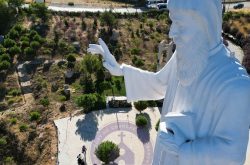
دير يسوع الملك
Zouk Mousbeh
Keserwan
Mount Lebanon
Visited 5763 times, 4 Visits today
Directory of Churches in Lebanon

Couvent du Christ Roi - دير يسوع الملك, Zouk Mosbeh, Lebanon
76-902 803
Sunday 10AM
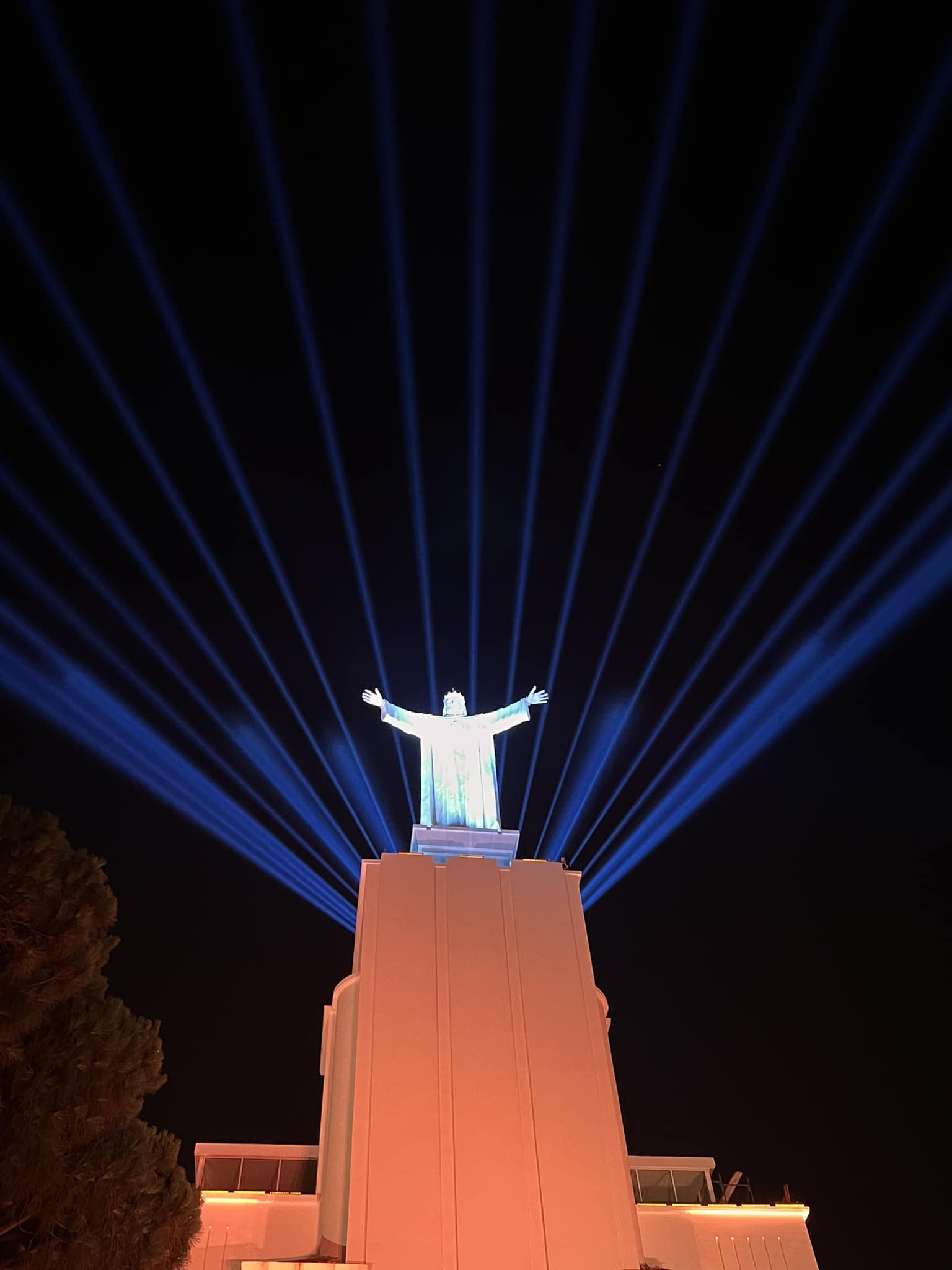
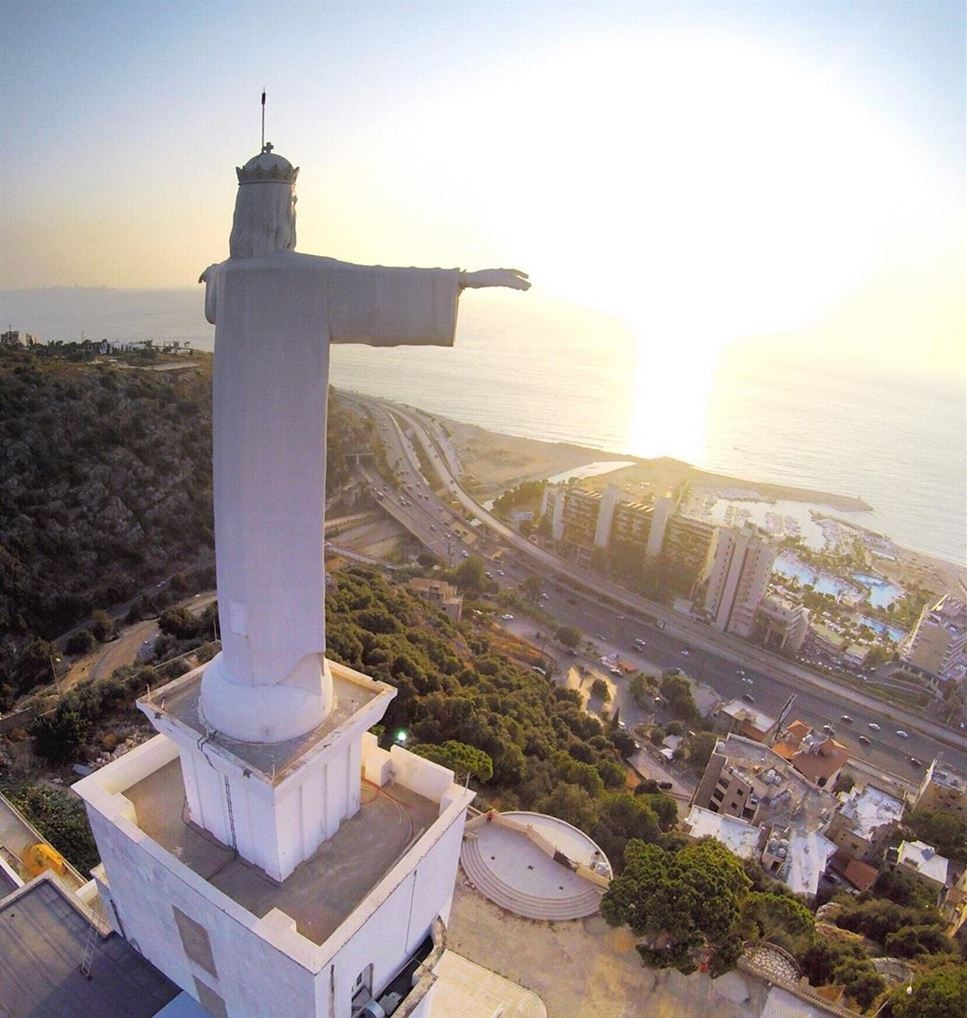
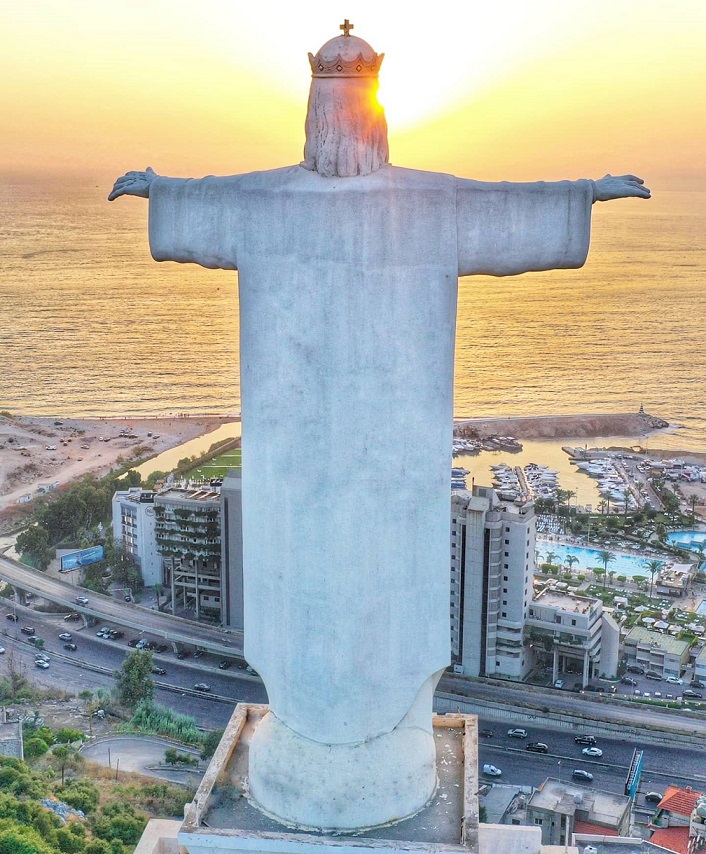
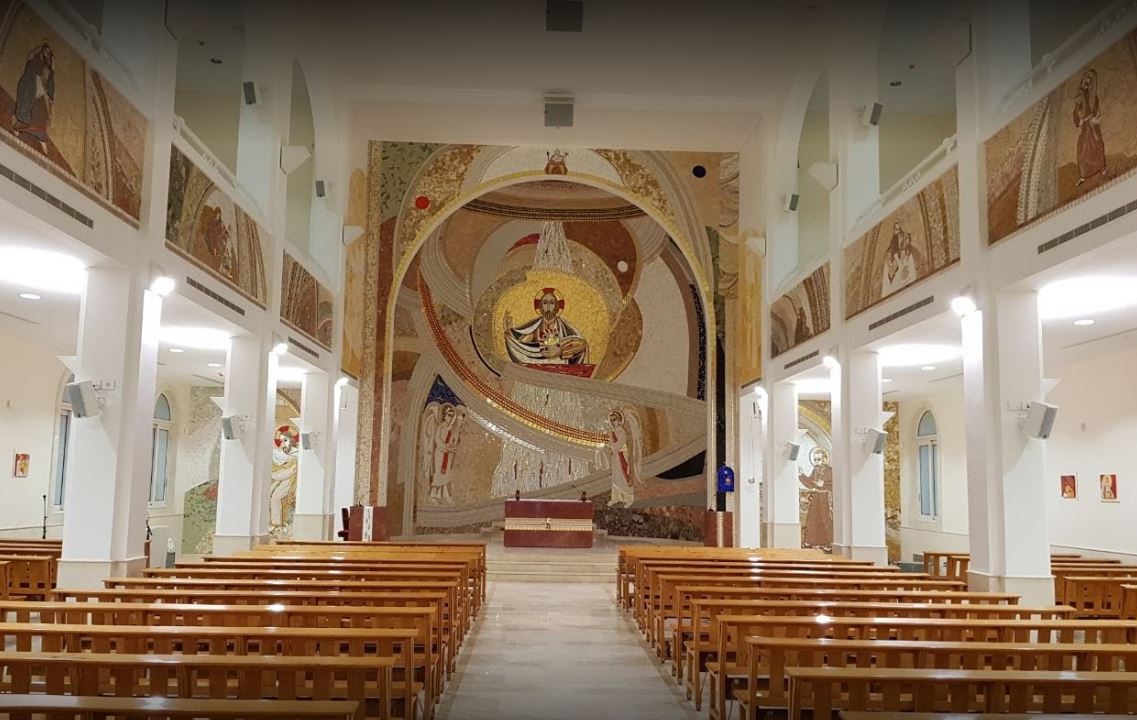
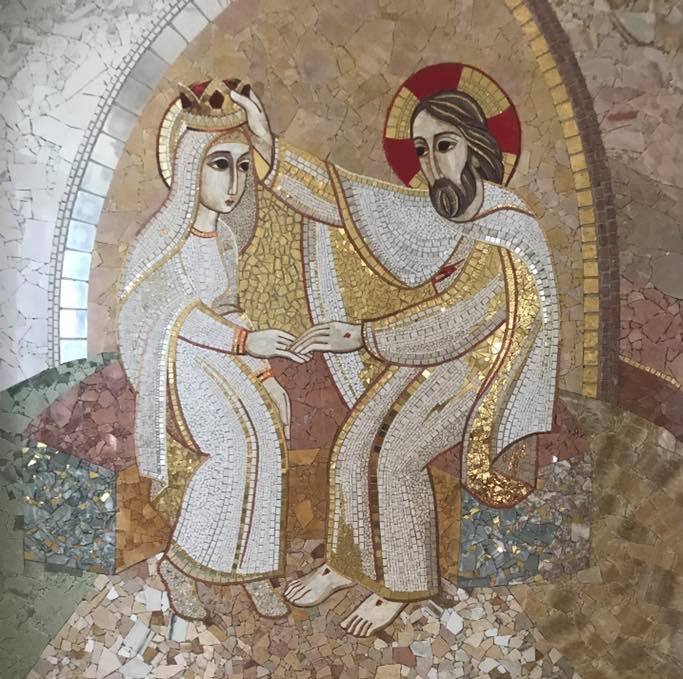
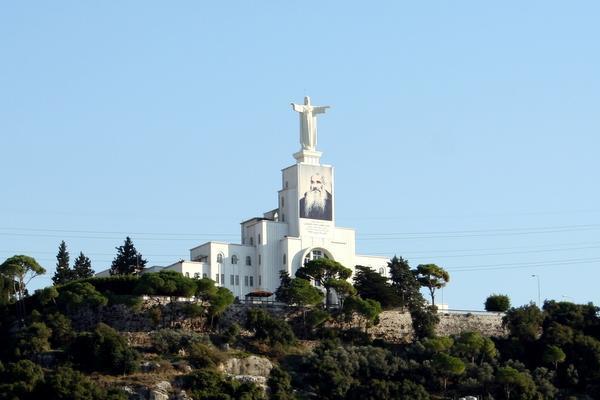

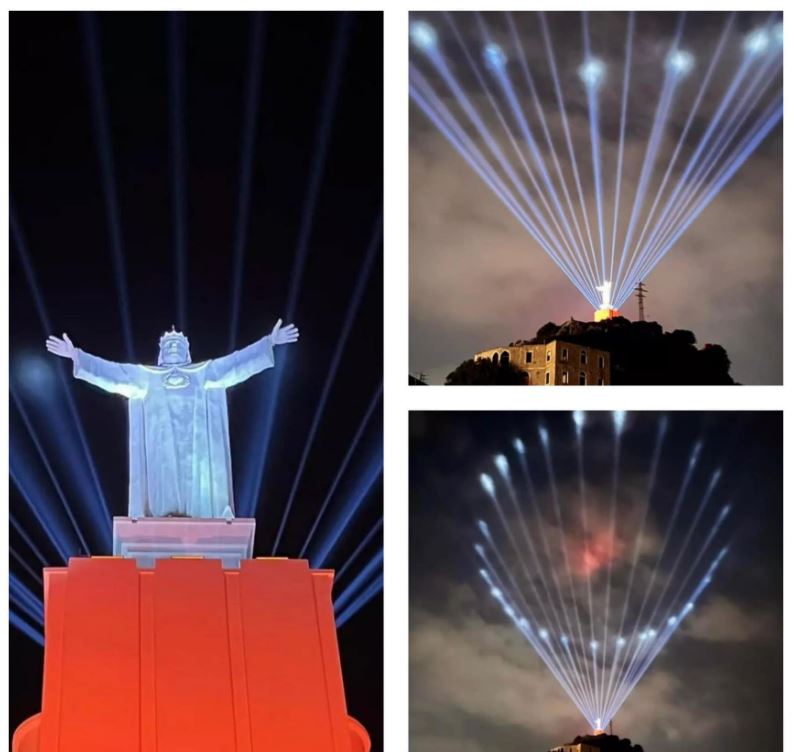


دير يسوع الملك
Zouk Mousbeh
Keserwan
Mount Lebanon
Visited 5763 times, 4 Visits today
03-336181
Saint Charbel - Hammana مزار مار شربل - حمانا, Hammana, Lebanon
مزار القديس شربل - حمانا
2018
Hammana
Baabda
Mount Lebanon
Saint Nuhro Church - Smar Jbeil, Smar Jbeil, Lebanon
كنيسة مار نهرا
Smar Jbayl
Batroun
North
كنيسة مار نهرا - سمار جبيل
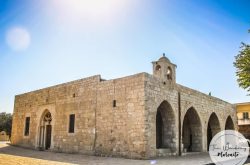
كنيسة مار نهرا التي تُعتبَر من اقدم الكنائس في الشرق، تعود الى القرن الثالث بعد المسيح، وهي تحمل شفاعة مار لوجيوس أي نوهرا الذي إستشهد في قلعة سمار جبيل القريبة منها بحسب التقليد.
أوّل ذكرٍ لهذه الكنيسة ورد باللغة السريانية في كتاب إنجيل موجود في المكتبة الماديشية في فلورنسا. الكنيسة مبنيّة على مراحل من بقايا حجارة هيكلٍ وثنيٍّ قديم. وقد اصبحت هذه الكنيسة محجَّةً للَّذين يطلبون شفاعة مار نهرا، شفيع العيون.
ونرى فوق مدخل الكنيسة الرئيسيّ سلسلةً حجريّةً معلَّقةً، من صنع الياس الخوري وهي مؤلفة من كتلة حجريّة واحدة.
في الكنيسة نقوشًا مضغوطة في الكلس. في القسم الشماليّ الخارجيّ وهو قسم الموعوظين نجد بقايا نقوش من الهيكل الوثنيّ وبئر لتجميع الماء.
المذبح الكبير في الكنيسة تحفة فنيّة أمر به البطريرك بولس مسعد، من عمل المعلّم الياس بربري الحلبيّ ٢٠ تمّوز ١٨٧٠.
يعلو المذبح الأوسط صورة زيتيّة لمار نهرا يُعتقد انها لداود القرم. وعلى المذابح الجانبيّة لوحات لداوود القرم: مار باسيليوس ١٨٩٢، السيّدة العذراء ١٨٧٨.
كذلك زيتيّتين لكنعان ديب: السيّدة ومار مارون. ولوحة نحاسيّة تمثّل مشهد العماد.
مؤخرًا إكتُشف في الكنيسة بقايا جداريّات باتت مجهولة المعالم.
St Nohra’s church - Smar Jbeil
The church of St Nohra is considered to be one of the oldest churches in the Levant dating back to the third century, and bares the patronage of St Logius, also known as Nohra, who was martyred in the nearby castle according to tradition.
The first mention of the church comes from a medieval manuscript of a Bible in the florentine Medicci library.
The church was built over different stages. The first stones were begotten from local pagan temples. It was an important pilgrimage site due to its patron, St Nohra, who is considered the patron saint of the eyesight.
Above the northern entrance a chain carved from a single stone can be spotted, it was made by Elias el Khoury. Also in the church one can find many limestone engravings.
The western exterior part is the narthex with a pagan sculpture and a well.
The high altar of the church was commissioned by Patriarch Boulos Masaad, and was finalized in the twentieth of July 1870 by the aleppan Elias Barbary.
Above the altar is a painting of St Nohra attributed to Dawoud al Qorm. Above the two side altars are two paintings signed by Dawoud al Qorm: The Madonna 1878 and St Basil 1892.
In the church are two older paintings for Kanaan Dib: the Madonna and St Maroun. One can also find a copper engraving depicting the baptism of Jesus.
Lately medieval frescoes were discovered in the old part of the church yet they are in bad condition.
Church of Mary mother of god, Yanouh, Lebanon
كنيسة أم الله السيّدة مريم
Yanouh Jbayl
Jbeil
Mount Lebanon
كنيسة أم الله السيّدة مريم - يانوح
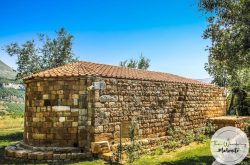
بعد محاولته العودة إلى أنطاكيا ورجوعه الى جبل لبنان سنة ٧٥٠، سكن البطريرك الرابع يوحنّا مارون الثاني و من بعده خلفائه البطاركة دير مار جرجس الأزرق يانوح لخمسمئة سنة إلى سنة ١٢٧٧. يُعزى ذلك بحسب المؤرخين لثلاثة أسباب : كون يانوح منطقة جبليّة عاصية، قربها من معبر المنيطرة القريب الى البقاع، وتقوى أهل يانوح بحسب البطريرك الدويهيّ. في القرن الثامن بُنيت كنيسة أم الله في الصرح البطريركيّ لجهة الشمال، وجدّدت في أيّام الصليبيّين. سنة ١٢١٥ صدر أمر البابا اينوشنسيوس الثالث الى الأساقفة الموارنة بالخضوع للبطريرك في كرسيّ يانوح. ضمّت هذه الكنيسة مخطوط إنجيل رابولا. بعد القرون الوسطى خرب الدّير والكرسيّ. رمّمت الكنيسة بسعي البطريرك بشارة بطرس الراعي وأعيد تكريسها سنة ٢٠١٧. تضمّ العرش البطريركيّ القديم، وعلى زواياها نقشت الصلبان المثنية الأطراف.
The church of the Theotokos our Lady Mary - Yanouh
After his failed attempt to go back to Antioch the fourth Maronite patriarch John Maroun II move his seat to the monastery of St George the blue in Yanouh in 1750. The patriarchal seat remained there for 500 years until 1277. The main reasons that Yanouh was chosen was because of the mountainous nature of the region, the closeness to the pass of Mneitra and to the region of Bekaa, and the locals piety described by patriarch Douwaihy. In the VIIIth century the church of the Theotokos was built north of the patriarchal seat, and renewed during the crusades. In 1215 an edict by pope Innocent III ordered the maronite bishops to obey the patriarch in the sear of Our Lady of Yanouh. This church held the Codex Rabbula. After the middle ages the church fell into despair, it was renewed by order of Patriarch Bechara Boutros el Rai in 2017 and reconsecrated. The church holds the old patriarcal throne and has two egged crosses on the four sides of the structure.
Reviews are disabled, but trackbacks and pingbacks are open.